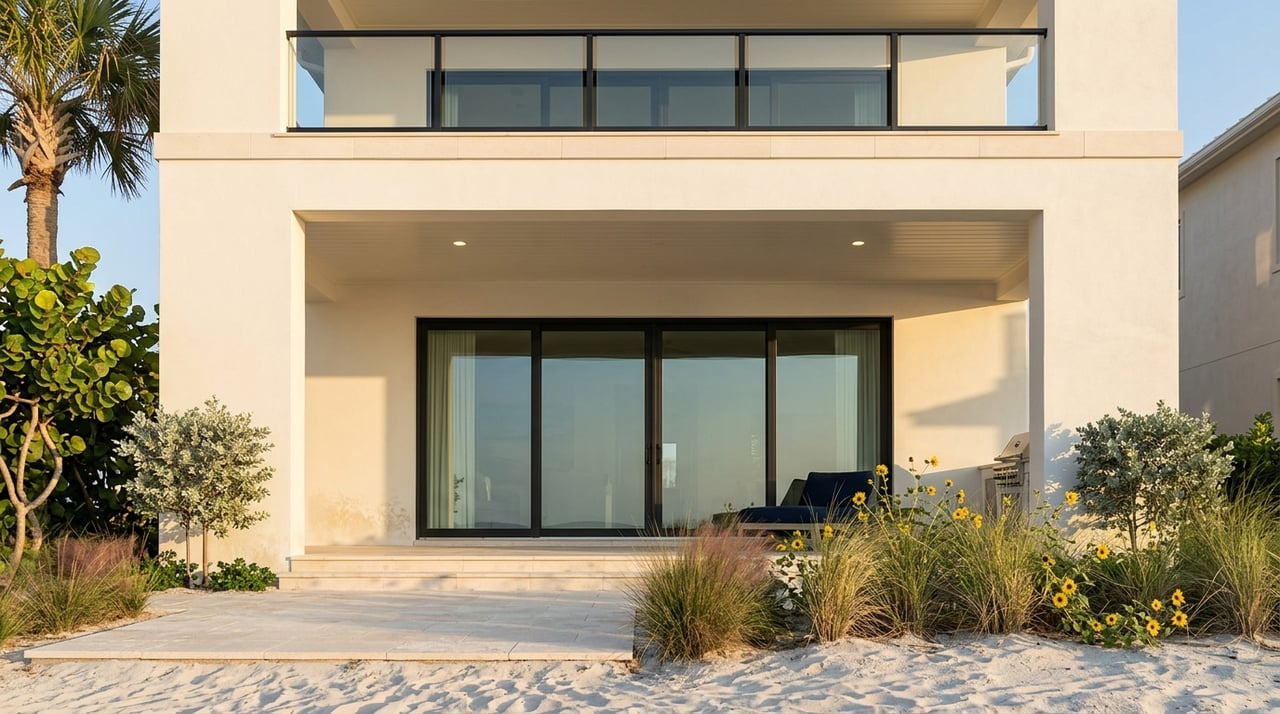
Living Beachfront In Pass-a-Grille Beach
June 11, 2026
June 11, 2026
If your idea of beachfront living includes more than just a water view, Pass-a-Grille deserves a close look. This is a place where the beach shapes your daily routine, the streets reflect a long coastal history, and each home tells a slightly different story. If you want to understand what it’s really like to live here, from lifestyle to housing character to buyer considerations, you’re in the right place. Let’s dive in.
Pass-a-Grille sits at the south end of Long Key on the Gulf Coast in Pinellas County, and it remains part of St. Pete Beach. It is not just another stretch of beachfront development. The area is a National Register-listed historic district that covers 116 acres and includes a large concentration of contributing historic resources.
That historic identity still matters in everyday life. The city supports a self-guided walking tour of the Pass-a-Grille National Historic District, and historic preservation remains an active part of how the area is understood and managed. For you as a buyer, that means you are looking at a preserved beach district with a strong sense of place, not a generic coastal neighborhood.
One of the biggest draws of living in Pass-a-Grille is how naturally life centers around the water. Pass-a-Grille Beach is located at 900 Gulf Way, with public parking, restrooms, and Paradise Grill nearby. Pass-a-Grille Park at 1000 Pass-a-Grille Way adds another layer to the lifestyle with 2.1 acres, 8 lighted shuffleboard courts, and metered parking.
The area also supports a compact, easygoing routine. The city offers Freebee on-demand shuttle service from Pass-a-Grille to the Blind Pass bridge, which helps with local trips when you would rather not drive. You also have access to parks, shops, the Gulf Beaches Historical Museum, casual dining, and waterfront gathering spots that fit the neighborhood’s relaxed rhythm.
If you enjoy boating or fishing, that is part of the picture too. Nearby public amenities include 1st Ave Pier, 11th Ave Pier, Don CeSar Boat Ramp, Egan Park Boat Ramp, and Merry Pier. City notices also reference the 7th Avenue Fishing Pier and commercial watersport activity at Merry Pier, which reinforces how connected this area is to the water beyond the beach itself.
Pass-a-Grille has a housing story that stands out from many newer coastal communities. According to the historic survey, many of the earliest homes were built from about 1900 through the late 1920s and were primarily Frame Vernacular dwellings. These homes were often rectangular, raised on masonry piers, and designed with porches, broad eaves, and rooflines that helped with airflow and high water conditions.
These were practical beach houses built to last. Many used locally available materials and reflected a plain, durable approach to coastal living. If you are drawn to homes with texture, scale, and architectural personality, that is part of what makes Pass-a-Grille appealing.
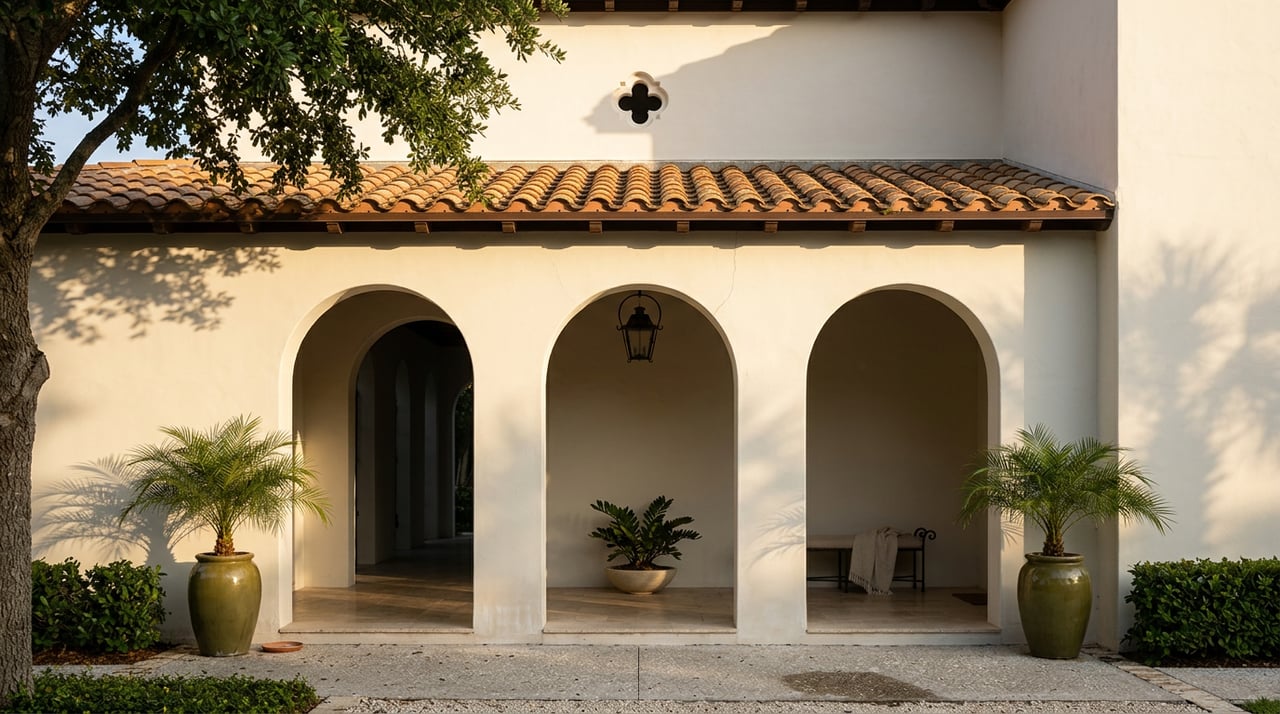
Over time, the housing mix expanded. Craftsman-style bungalows became a major influence by the 1920s, Mediterranean Revival appears in a smaller number of examples, and post-World War II growth introduced masonry vernacular and ranch-style homes. Today, the result is a layered neighborhood where homes are individually distinctive rather than uniform.
If you are considering a home here, it helps to approach the market with clear expectations. Pass-a-Grille tends to offer an older beach-village feel, which can be very different from a newer planned community. You may find smaller historic homes, selective postwar replacement, and properties that come with preservation-related design review considerations.
That character is part of the appeal, but it also affects how you evaluate a property. Layout, lot configuration, updates, elevation, and maintenance history all matter. In a neighborhood like this, the right home is often about balancing charm, function, and long-term ownership comfort.
Beachfront ownership in Pass-a-Grille comes with important practical considerations, and flooding is one of the biggest. The city warns that flooding and standing water can cause property damage, injury, and death. Its flood information directs buyers to FEMA flood maps, flood insurance resources, and elevation certificates.
This is especially important if a property is in a mapped flood hazard area. The city states that if a structure is substantially damaged or substantially improved, it may need to be brought into compliance, which can include elevation or demolition requirements. That makes due diligence more than a box to check. It is a major part of buying wisely in this market.
The city also issues Coastal Flood Notifications when high tides, king tides, rainfall, or storms may lead to tidal flooding in low-lying areas. If you are shopping in Pass-a-Grille, it is smart to review not just the home itself, but also how the site functions during weather events and changing water conditions.
It is also helpful to understand that Pass-a-Grille’s shoreline is actively managed. Pinellas County notes that beaches are dynamic, and changes along developed shorelines can be especially evident and detrimental to beachfront properties. The county completed a phased Pass-a-Grille Beach nourishment project in 2024 and later approved an additional emergency nourishment project after hurricane-related sand loss.
That does not make the area less desirable. It simply means beachfront ownership here exists within an ongoing coastal management framework. If you are buying along the beach, understanding shoreline maintenance and how the coast is protected should be part of your decision-making.
Some buyers look at Pass-a-Grille for seasonal use or part-time occupancy, so rental rules often come up early in the search. In St. Pete Beach, the city allows transient occupancy under 30 days up to 3 times per 12-month period in the RM zoning district and the Pass-A-Grille Overlay District. Rentals of one month or more are allowed citywide.
The key point is that rental potential should never be assumed. Zoning, overlay rules, and the specifics of the individual property all matter. If rental flexibility is important to you, that should be verified before you move forward.
Pass-a-Grille is often a strong fit if you value a small-scale, historic, beach-first lifestyle. It appeals to buyers who want immediate Gulf access, daily walkability, and a neighborhood with visible coastal character. It may also appeal to second-home buyers who want a distinctive setting rather than a more standardized beach environment.
At the same time, this is usually not the best match if your top priorities are brand-new construction, uniform housing stock, or a lower-maintenance suburban setup. Older homes, flood-zone factors, insurance questions, and shoreline realities are all part of ownership here. For many buyers, those tradeoffs are worth it because the setting is hard to replicate.
In a neighborhood like Pass-a-Grille, small details can shape a big decision. Historic character, flood considerations, rental rules, and property-specific condition all require careful review. This is where hyperlocal insight becomes especially valuable.
When you are comparing homes in a nuanced beachfront market, it helps to work with a team that understands the Gulf Beaches at a granular level. The right guidance can help you look beyond surface appeal and evaluate how a home fits your goals, your lifestyle, and your long-term plans.
If you are thinking about buying or selling in Pass-a-Grille Beach, Andy Salamone can help you navigate the market with local insight, waterfront expertise, and a polished, client-first approach.
Working with The Salamone Group means more than just buying or selling a home—it means experiencing a higher level of service.