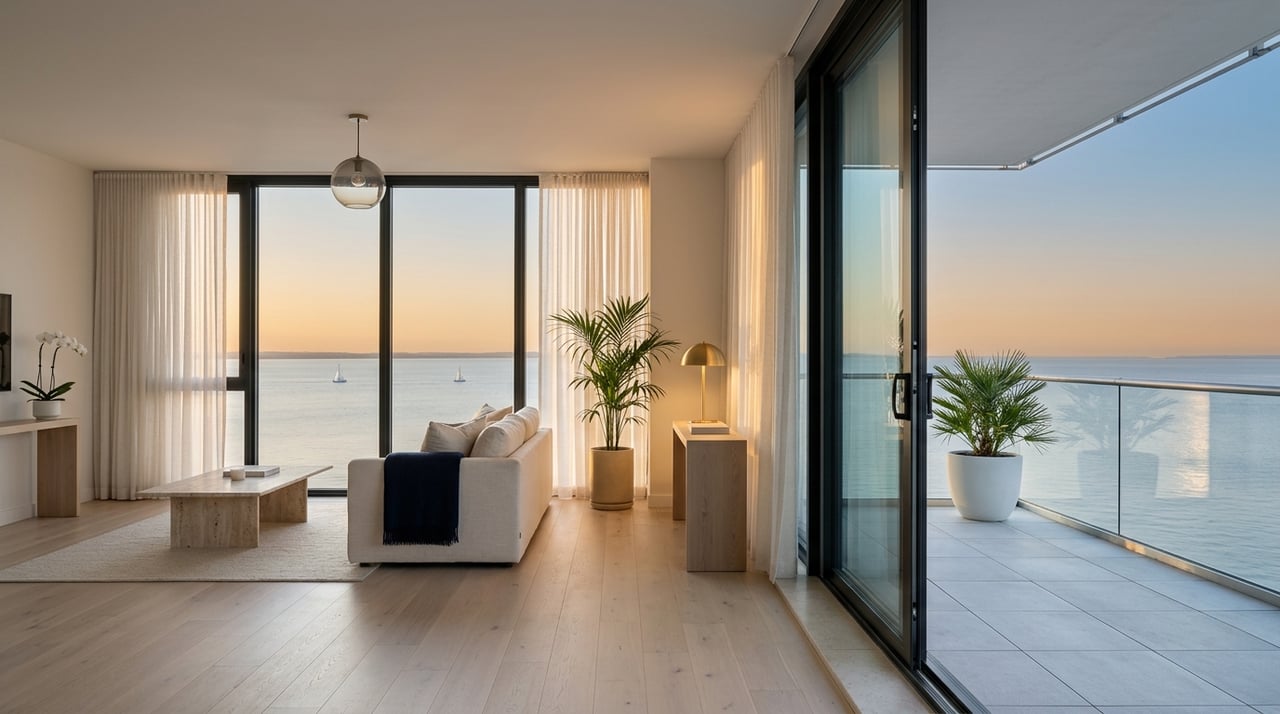
How To Choose A Condo On Beach Drive
June 18, 2026
June 18, 2026
If you have started shopping Beach Drive condos, you have probably noticed something quickly: two homes with the same street name can feel completely different. On Beach Drive, your experience depends on more than the building. It often comes down to the exact view, the stack, the floor, the parking setup, and the rules that shape day-to-day ownership. This guide will help you compare your options with more confidence so you can choose a condo that fits how you want to live in downtown St. Petersburg. Let’s dive in.
Beach Drive sits within St. Petersburg’s Waterfront Arts District, a part of downtown known for museums, theaters, waterfront parks, dining, nightlife, and year-round events. The official downtown guide also notes that the area is pedestrian-friendly, with parking options, ParkMobile, the free Downtown Looper trolley, PSTA service, bike share, and scooter corrals.
For you as a buyer, that means Beach Drive can offer a true lock-and-leave lifestyle with easy access to daily conveniences and downtown attractions. It also means location alone is not enough. You want to look closely at how each building and each unit connects you to the waterfront, the city, and the rhythm of downtown living.
One of the biggest mistakes buyers make is treating Beach Drive like one single condo category. It is not. Current listings show units marketed around different combinations of bay, harbor, pier, park, and city-light views, which means the value of a condo often depends on its exact orientation.
That is why you should think beyond the address. A unit in one stack may appeal to you because it opens toward Tampa Bay, while another in the same building may be better for city views, evening light, or a more private feel. On Beach Drive, the floor plan matters, but the stack and exposure often matter just as much.
Bayfront Tower at 1 Beach Dr SE is the legacy tower in this group. The Skyscraper Center lists it as a completed 1975 high-rise, and current listings describe renovated common areas that can include a rooftop pool, fitness area, and outdoor kitchen amenities.
Some listings also show one deeded garage space plus secured storage. Because this is the oldest of the three major buildings discussed here, buyers should pay extra attention to reserve funding, capital improvements, and any assessment history or schedule.
Parkshore Plaza at 300 Beach Dr NE is a 2006-era full-service building. Current listing pages describe amenities such as 24-hour concierge, on-site management, a heated pool and spa, fitness center, billiards room, business center, library, and a social room with kitchen.
Some listings also show two parking spaces, which can be a meaningful advantage downtown. Listings in this building also show that view orientation can vary, with some units facing bay or harbor views and others centered more on city views.
400 Beach Drive at 400 Beach Dr NE is a 2007 tower. Current listings highlight a mix of water, pier, and city-light views, along with examples of assigned parking and storage.
Listings also note pet-related rules such as number limits and registration requirements. As with the other buildings, you will want to verify all unit-specific and association-specific details directly before making an offer.
On Beach Drive, the view is not a bonus feature. It is often part of the core value of the condo. Current listings show that some units are marketed for bay or harbor views, some for pier views, and others for city lights or skyline exposure.
When you compare options, ask exactly what the unit faces. Does it look toward Tampa Bay, a park, the pier, or downtown? The answer can shape not only your enjoyment of the home, but also how future buyers may see its value.
You should also ask whether anything could affect the outlook over time. A beautiful view today may feel different if your sightline is more partial than expected or depends on a narrow angle from the terrace or main living area.
This is where local, building-level guidance matters. Looking at photos is helpful, but walking the unit and understanding the stack in context can help you avoid expensive surprises.
It is easy to focus on countertops, flooring, and appliances, especially in polished condo towers. Those details matter, but on Beach Drive they should not be your only filter.
A well-finished unit with limited parking, no storage, or a less desirable orientation may not fit your goals as well as a home with stronger fundamentals. If you are buying for lifestyle, seasonal use, or future resale, the less glamorous details can carry real weight.
Parking is one of the clearest practical differences among Beach Drive condos. Listing examples show Bayfront Tower units with one secured garage space plus storage, Parkshore Plaza listings that often show two parking spaces, and 400 Beach units that may include deeded parking and a storage locker.
If you plan to live downtown full-time or use the condo as a second home, these features can affect convenience more than you might expect. Extra parking can be especially helpful if you host often or want flexibility for household vehicles.
Storage is another detail buyers sometimes overlook until late in the process. A separate storage locker or secured storage area can make a difference if you need room for seasonal items, recreational gear, or simply want less clutter inside the unit.
On a walkable downtown street, efficient storage can support the clean, low-maintenance lifestyle many condo buyers want. It is worth confirming exactly what conveys with the property.
Pet policies are not the same from one Beach Drive building to another. Current listings show Bayfront Tower examples with one-pet frameworks or number limits, Parkshore Plaza listings with varying language that can include only-dogs wording or two-pet and combined-weight limits, and 400 Beach listings with a two-pet cap, registration requirements, and certain breed restrictions.
Because syndicated listing data do not always match, you should confirm the current declaration, rules, and any registration requirements before writing an offer. If a pet is part of your household plan, this step is essential.
Bayfront Tower dates to 1975, while Parkshore Plaza and 400 Beach are mid-2000s buildings. That does not make one automatically better than another, but it does change the due diligence you should do.
With an older tower, it is wise to look closely at reserve funding, major project history, and any planned assessments. With newer buildings, you still want to review documents carefully, but buyers often focus on a different maintenance timeline and capital planning horizon.
Florida condo resale transactions now require more document review than many buyers expect. Florida Statutes require disclosure of the current milestone inspection summary and the association’s most recent structural integrity reserve study, if applicable, and buyers may have a statutory cancellation right after receiving required documents.
The Florida Department of Business and Professional Regulation also says older owner-controlled associations that existed on or before July 1, 2022, must complete a structural integrity reserve study by December 31, 2025, and may complete it with a milestone inspection if one is due by December 31, 2026. For you, the practical point is simple: document review is not a side task. It is part of choosing the right condo.
Pinellas County notes that flooding can happen inside and outside FEMA flood zones, and that most homeowners policies do not cover flood damage. The county also notes that condo flood policies usually cover common areas and certain building elements rather than everything inside a unit.
For a Beach Drive buyer, that means you should review flood zone status, how the building’s insurance is structured, and the local hurricane evacuation context before closing. Waterfront proximity is a major lifestyle advantage here, but it should come with clear eyes and good information.
When you narrow your choices, ask direct questions that help you compare one condo to another on equal terms.
These questions can help you move from “I like this one” to “I understand this one.” That is often the difference between a smooth purchase and an expensive lesson.
If you want a simpler way to choose, start with your lifestyle priorities and rank them. For many buyers, the top categories are view, building services, parking, pet flexibility, and ease of ownership.
Once you know your priorities, compare condos against those needs instead of judging them only by décor or price per square foot. On Beach Drive, the right condo is usually the one that aligns best with your real daily use, not just the one with the flashiest finishes.
Buying on Beach Drive is often about getting the details right. The street places you in one of downtown St. Petersburg’s most active and scenic settings, but the best choice usually comes from understanding the differences between buildings, stacks, views, parking, rules, and document health.
If you want a polished condo lifestyle in the Waterfront Arts District, a careful comparison process can protect both your enjoyment and your long-term value. When you are ready to sort through Beach Drive options with a local luxury and waterfront perspective, connect with Andy Salamone.





Working with The Salamone Group means more than just buying or selling a home—it means experiencing a higher level of service.